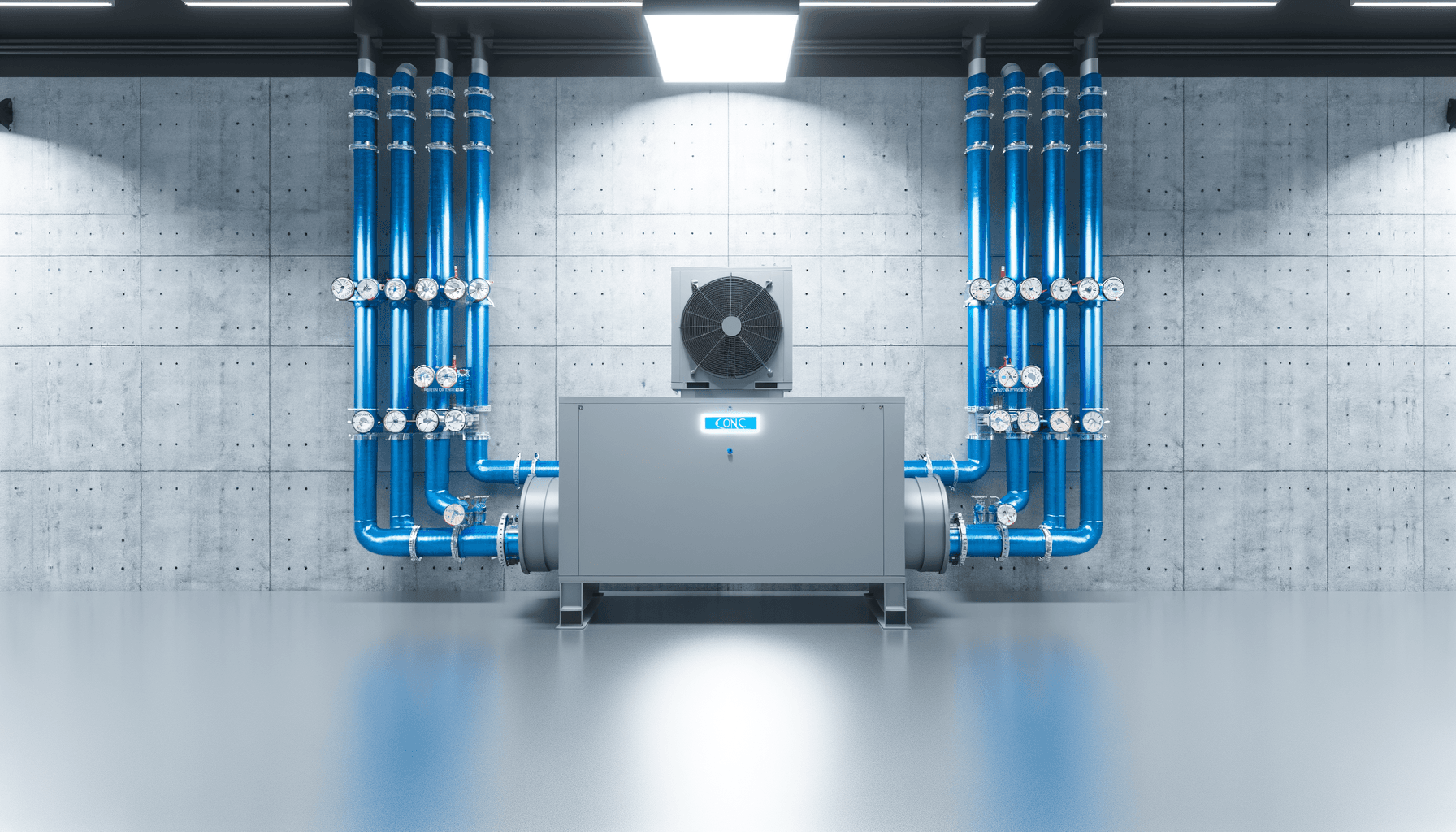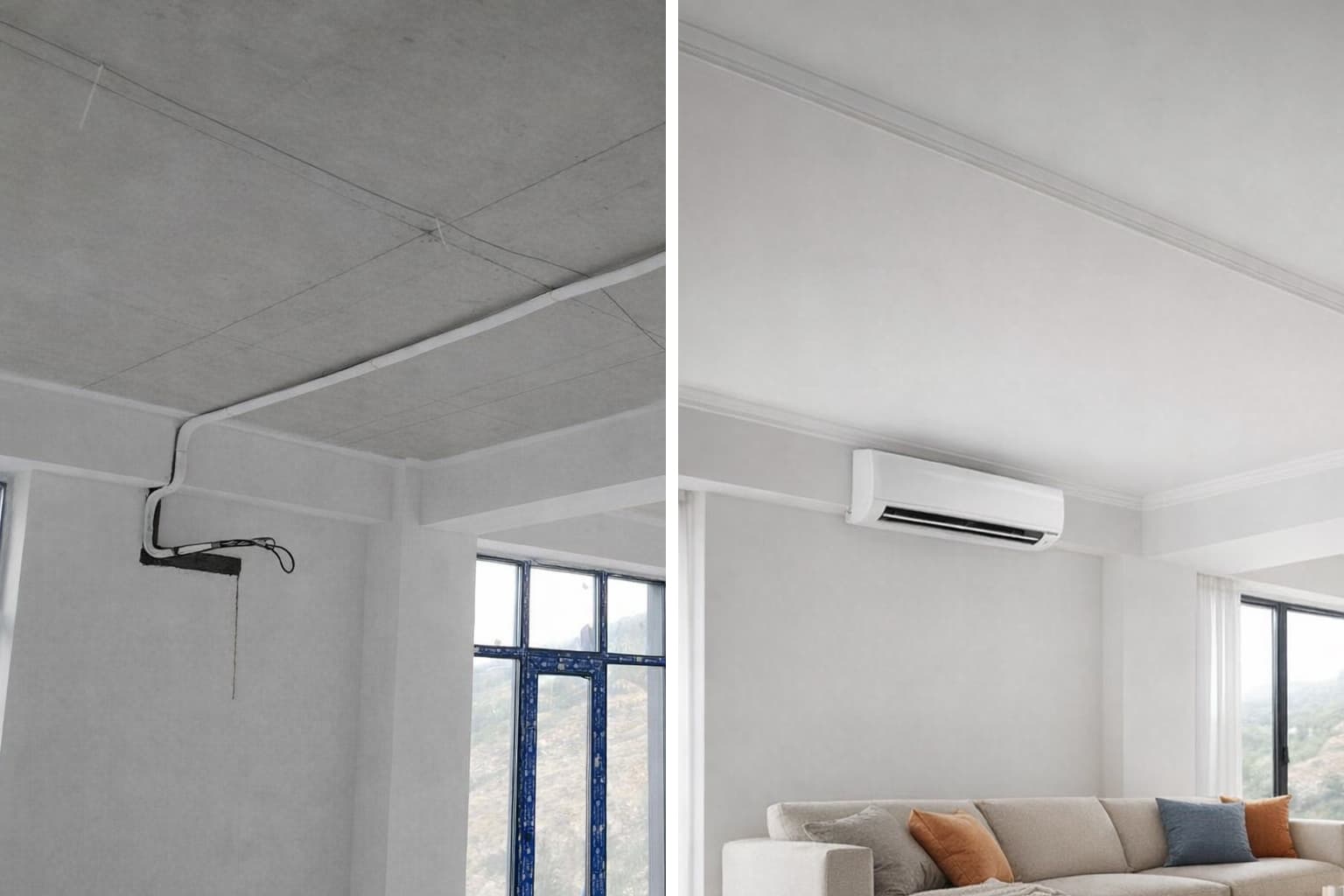
Supply and Exhaust Ventilation for Manufacturing
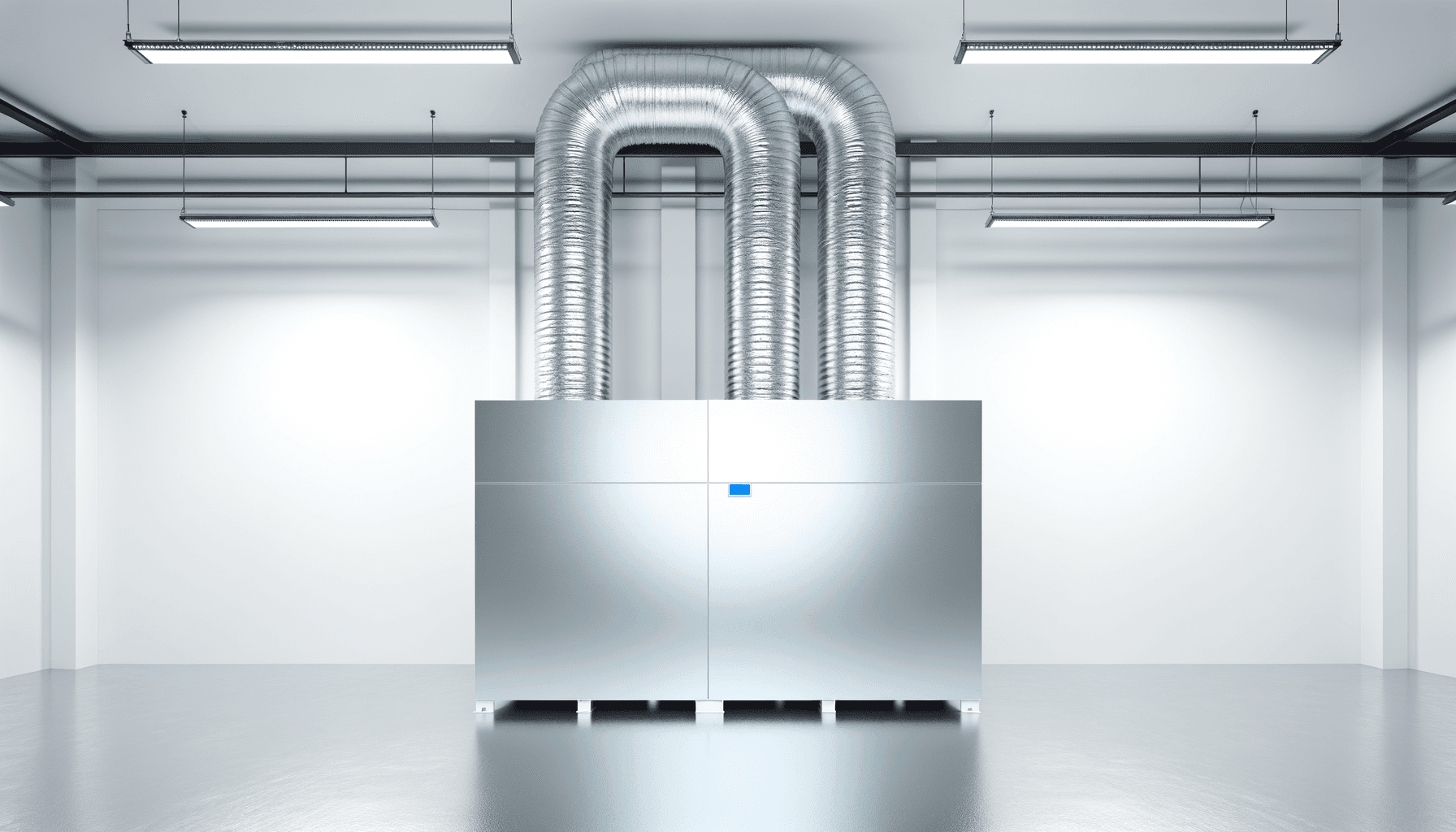
What Is an Air Handling Unit (AHU)
An AHU is a compact unit combining supply and exhaust fans, filters, a heater (or cooler), and a heat recovery unit in one housing. It simultaneously supplies fresh air and removes contaminated air. For manufacturing, the AHU is the core ventilation element.
AHU Components
Supply fan — draws in outdoor air. Exhaust fan — removes spent air. Filters — clean supply air (G4/M5 for production, F7/F9 for clean rooms). Heater — water or electric, warms air in winter. Heat recovery — transfers heat from exhaust to supply, saving 60–80% of energy.
Types of Heat Recovery
Plate heat exchanger — most common, 50–70% efficiency, no air mixing. Rotary — 75–85% efficiency, but partial mixing possible (not suitable for toxic production). Glycol run-around — two circuits with intermediate fluid, 40–55% efficiency, allows supply and exhaust to be far apart.
Calculation for a Production Facility
Example: 500 sq. m workshop, 6 m height, 3,000 m³ volume. Air changes: 5 (mechanical production). Required airflow: 3,000 × 5 = 15,000 m³/h. Heater power (winter, −5°C → +18°C): ≈ 120 kW. With heat recovery (75% efficiency): ≈ 30 kW — 75% energy savings.
Ductwork: Materials and Routing
Industrial facilities use galvanized steel (standard), stainless steel (food production, corrosive environments), or plastic (chemical plants). Duct sizing is based on air velocity: 3–5 m/s for main ducts, 2–3 m/s for branches. Silencers are installed near the AHU.
Installation and Commissioning
Industrial AHU installation includes: unit placement (rooftop, mechanical room, or outdoor platform), duct routing along ceiling or walls, grille and diffuser installation, automation connection (CO₂, temperature, pressure sensors). Commissioning: airflow verification per branch, system balancing.