When Does Your AC Need Cleaning: 5 Warning Signs
Why Air Conditioners Get Dirty
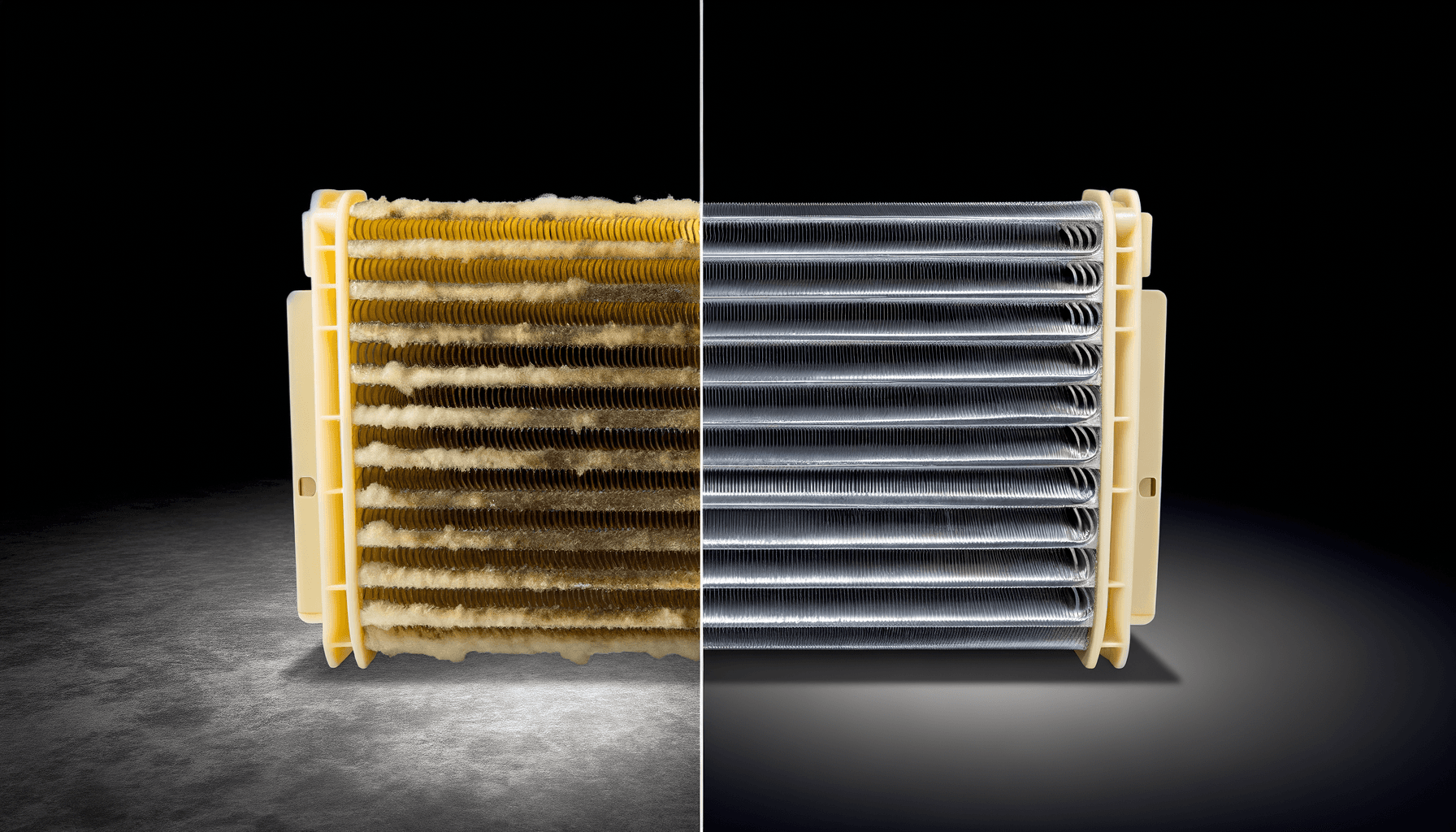
Your AC filters room air, trapping dust, pollen, pet hair, and microparticles. Over a season, a layer of contaminants builds up on filters, the evaporator, and fan blades. In the warm, humid environment of the indoor unit, bacteria and mold thrive. Without regular cleaning, your AC becomes a problem rather than a solution.
Sign 1: Bad Smell When Turning On
A musty or sour odor at startup is the most obvious signal. It's caused by bacterial and fungal colonies on the evaporator. If the smell only appears on first use after a break — it's early stage. If constant — deep disassembly and antibacterial treatment is needed.
Sign 2: Weak Airflow
If the AC blows noticeably weaker at maximum speed than before, the filters are clogged with dust. Dirty filters reduce performance by 20–30% and increase compressor load. Rinsing mesh filters takes 10 minutes and should be done every 2–3 weeks during the season.
Sign 3: AC Doesn't Reach Set Temperature
You set 22°C but the room stays at 26°C. Two possible causes: dirty evaporator (impaired heat exchange) or low refrigerant. The first is solved by cleaning, the second by diagnostics and recharging.
Sign 4: Higher Electricity Bills
A dirty AC consumes 15–25% more energy to reach the same temperature. If your electricity bill has increased without changing habits — check your AC. Regular maintenance pays for itself through energy savings in 1–2 months.
Sign 5: Water Dripping from Indoor Unit
Water drops on the wall or under the unit mean a clogged drainage system. Condensate overflows because the drain tube is blocked by algae or dust. Drain cleaning is a mandatory part of professional maintenance.
How Often Is Professional Cleaning Needed
At minimum — once a year before the season starts (April–May in Tbilisi). With heavy use, pets, or allergy sufferers — twice a year. Rinse mesh filters yourself every 2–3 weeks. Deep cleaning with disassembly should only be done by certified technicians.