კონდიციონერი საძინებლისთვის: როგორ ავირჩიოთ წყნარი მოდელი
Why Bedrooms Need a Special Approach
During sleep, the body is especially sensitive to noise and temperature fluctuations. An AC that goes unnoticed in the living room during the day can be disruptive at night. A bedroom model should be ultra-quiet, have night mode, and properly direct airflow.
Noise Level: What to Look For
The key metric is noise at minimum speed, not maximum. A good bedroom model produces 19–22 dB at minimum — quieter than rustling leaves (25 dB). For comparison: standard On/Off models start at 32–38 dB. Inverter models with night mode are the optimal choice.
Night Mode: How It Works
In Sleep mode, the AC gradually raises the set temperature by 1–2°C over several hours, mimicking the body's natural temperature drop during sleep. The fan runs at minimum speed, the display dims or turns off, and sound alerts are disabled.
Airflow Direction: Don't Blow on the Bed
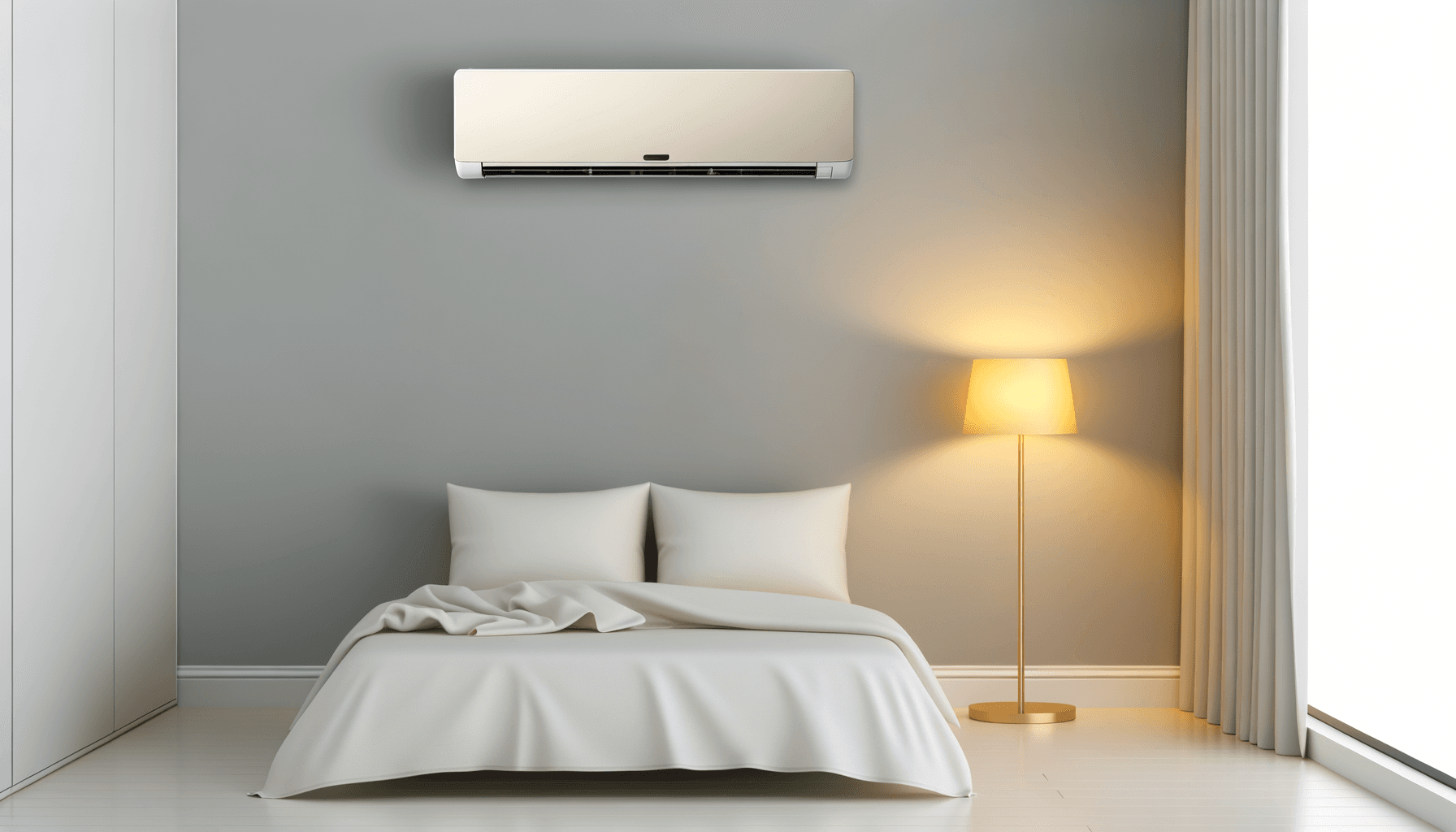
Direct cold airflow on a sleeping person leads to colds and muscle pain. Correct placement: indoor unit above the headboard or on a wall perpendicular to the bed. Louvers direct flow along the ceiling, from where cool air descends evenly.
Capacity for Bedrooms
Bedrooms are typically 12–18 sq. m. A 7,000–9,000 BTU model is sufficient. Don't oversize (12,000 BTU for 14 sq. m) — it will cool quickly and cycle frequently, causing temperature swings and noise.
Recommended Models
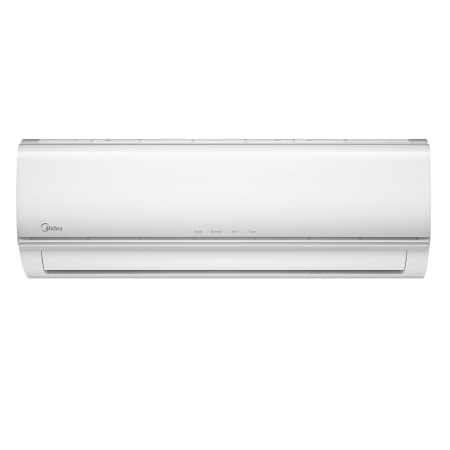
Midea BreezeleSS+ — 20 dB at minimum, 'Silent Sleep' function, smart airflow control. Midea Xtreme Save — 22 dB, A++ energy class, night mode with gradual temperature change. Both available in our catalog with free delivery in Tbilisi.